Educational Wellness Insights
Explore science-based information about nutrition, natural ingredients, and daily wellness practices for an active lifestyle.
Learn more

Introduction to Daily Wellness
Daily wellness encompasses a broad range of practices that support overall health and vitality. From the foods we consume to the habits we cultivate, these elements work together to influence how we feel and function each day.
Understanding the fundamentals of nutrition and lifestyle choices provides a foundation for making informed decisions. This educational resource explores various aspects of wellness, particularly as they relate to nutritional science and natural dietary approaches.
The information presented here is designed to explain concepts and provide context, not to offer personal recommendations or medical advice. Each individual's needs and circumstances are unique, and wellness practices should be considered within that personal context.

Nutrition Insights for Men
Men's nutritional needs have been studied extensively in the scientific literature. Research indicates that factors such as age, activity level, and metabolic rate can influence dietary requirements.
Common nutritional considerations for men include adequate protein intake for muscle maintenance, sufficient fiber for digestive health, and a balance of vitamins and minerals that support various bodily functions. These needs are typically met through a varied diet that includes whole grains, lean proteins, fruits, vegetables, and healthy fats.
Historical dietary patterns across cultures show diverse approaches to meeting these nutritional needs. Traditional diets often emphasized whole, minimally processed foods and seasonal ingredients, principles that continue to inform contemporary nutritional science.
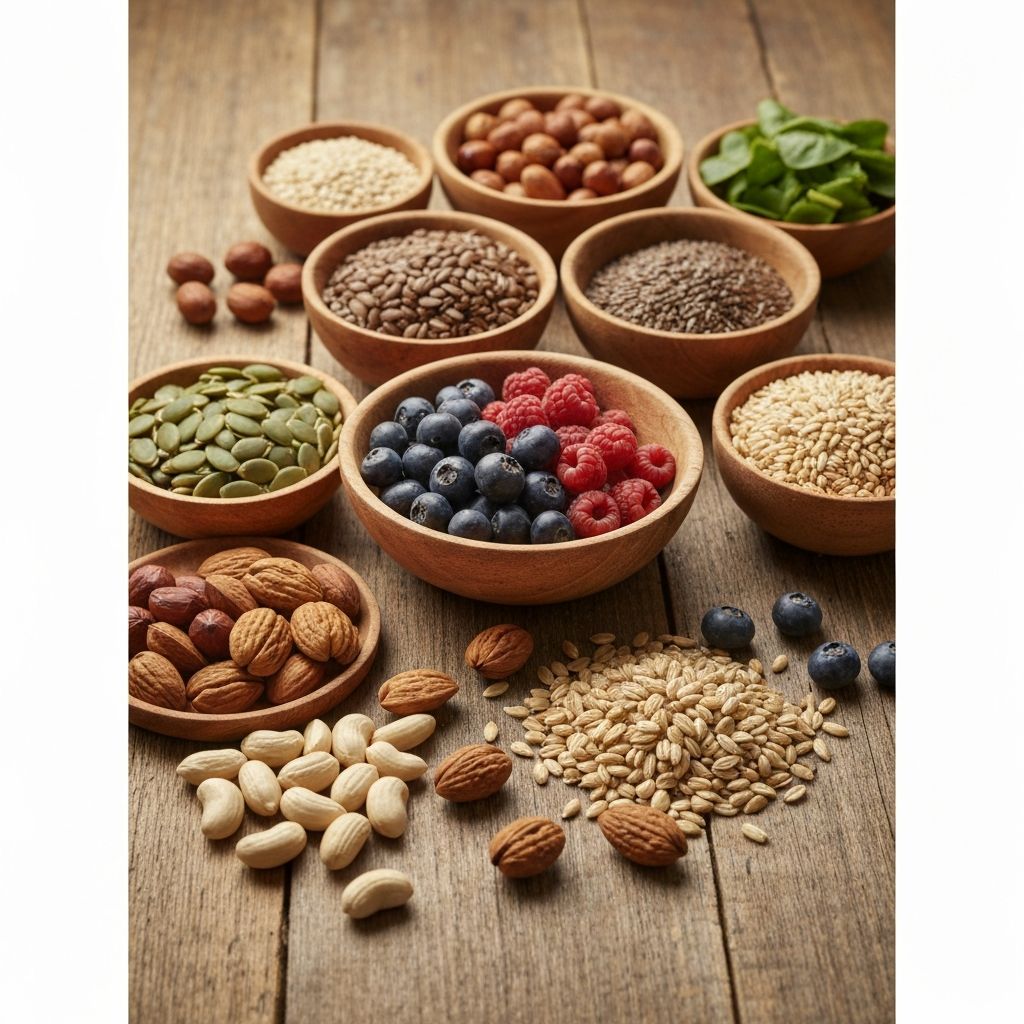
Natural Ingredients for Energy
Natural food sources have long been recognized for their role in supporting daily energy levels. Whole foods provide complex carbohydrates, proteins, and fats that the body converts into usable energy through metabolic processes.
Common Natural Energy Sources
- Whole grains such as oats, quinoa, and brown rice provide sustained energy release
- Nuts and seeds offer healthy fats and protein
- Fruits provide natural sugars along with fiber and vitamins
- Leafy greens contain iron and other minerals that support metabolic function
- Legumes offer a combination of protein and complex carbohydrates
These ingredients have been staples in human diets for thousands of years, appearing in various forms across different cultures and cuisines. Modern nutritional science continues to study how these foods interact with human physiology.
Lifestyle Habits Overview
Physical Activity
Regular movement is associated with numerous health benefits. Different forms of exercise serve different purposes, from cardiovascular health to strength maintenance.
Sleep Patterns
Sleep plays a crucial role in recovery and overall health. Research shows that both sleep quality and duration can affect various aspects of wellbeing.
Hydration
Adequate fluid intake supports numerous bodily functions. Water needs vary based on activity level, climate, and individual factors.
Stress Management
Chronic stress can affect health in various ways. Different practices, from mindfulness to time management, are used to help manage stress levels.

Cultural and Historical Dietary Perspectives
Throughout history, different cultures have developed unique approaches to nutrition and wellness. These traditions often reflect the available resources, climate conditions, and accumulated knowledge of specific regions.
Mediterranean dietary patterns, for example, emphasize olive oil, fish, vegetables, and whole grains. Asian traditions often feature rice, soy products, and a variety of vegetables. These patterns have been studied for their potential health associations.
Indigenous knowledge systems around the world have long recognized the importance of seasonal eating, food combinations, and the relationship between diet and wellbeing. Modern nutritional anthropology continues to explore these traditional practices and their relevance today.
Understanding these diverse perspectives provides context for contemporary discussions about nutrition and illustrates that there are many valid approaches to healthy eating patterns.
Common Misconceptions
All Fats Are Unhealthy
This is a common oversimplification. Nutritional science distinguishes between different types of fats. Unsaturated fats, found in foods like nuts, avocados, and fish, are considered important components of a balanced diet.
Carbohydrates Should Be Avoided
Carbohydrates are the body's primary energy source. The quality and type of carbohydrates matter more than their mere presence. Whole grains and complex carbohydrates are nutritionally different from refined sugars.
Supplements Can Replace Whole Foods
While supplements can play a role in certain circumstances, whole foods provide a complex array of nutrients, fiber, and phytochemicals that work synergistically. This complexity is difficult to replicate in supplement form.
One Diet Works for Everyone
Human diversity means that nutritional needs and responses to different foods vary significantly. Factors such as genetics, activity level, age, and health status all influence what dietary pattern might be appropriate for an individual.

Scientific Insights
Modern nutritional science employs various research methodologies to understand how diet affects health. These include epidemiological studies, controlled trials, and biochemical analyses.
Key areas of ongoing research include:
- The role of micronutrients in cellular function and overall health
- How gut microbiota interact with dietary components
- The effects of different macronutrient ratios on metabolism
- Bioavailability of nutrients from various food sources
- The relationship between dietary patterns and chronic disease risk
It's important to note that nutritional science is an evolving field. New findings emerge regularly, and scientific consensus can shift as more evidence accumulates. This is why educational approaches to nutrition emphasize principles and understanding rather than rigid rules.
Limitations and Context
Important Information
Educational content only. No medical services. No promises of outcomes.
This website provides educational information about nutrition and wellness topics. The content is designed to explain concepts and provide context for understanding various aspects of diet and lifestyle.
This resource does not provide personalized advice, medical recommendations, or treatment suggestions. Individual health decisions should be made in consultation with qualified healthcare professionals who can consider your specific circumstances, medical history, and needs.
The information presented here reflects current understanding in nutritional science, but this is an evolving field. What we understand about nutrition continues to develop as new research emerges.
Different approaches to wellness and nutrition exist, and what works well for one person may not be suitable for another. This diversity is normal and reflects the complexity of human biology and individual circumstances.
Frequently Asked Questions
What is the purpose of this website?
This website serves as an educational resource about nutrition and wellness topics. It aims to explain concepts and provide context for understanding various aspects of diet and lifestyle.
Is this website providing medical advice?
No. This website provides educational information only. It does not offer medical advice, diagnosis, or treatment recommendations. For personalized health guidance, consult with qualified healthcare professionals.
Who should use this information?
This information is intended for general educational purposes. Anyone interested in learning about nutritional concepts and wellness topics may find it useful for background knowledge.
How often is the content updated?
Content is reviewed periodically to reflect current understanding in nutritional science. However, readers should be aware that nutrition is an evolving field.
Can I use this information to make dietary changes?
This website provides educational context, not personalized recommendations. Any significant dietary or lifestyle changes should be discussed with healthcare professionals who can consider your individual circumstances.
Does this website sell products or services?
No. This is an educational resource only. We do not sell products, services, or programs.

Additional Reading and References
For those interested in exploring nutritional topics further, numerous reputable sources provide evidence-based information:
Academic and Scientific Resources
- Peer-reviewed journals in nutrition and dietetics
- University nutrition departments and research centers
- Government health and nutrition agencies
- Professional nutrition and dietetics associations
Educational Topics to Explore
- Macronutrients and micronutrients: roles and sources
- Digestion and nutrient absorption
- Energy metabolism and metabolic health
- Food science and preparation methods
- Cultural approaches to food and nutrition
When seeking nutrition information, look for sources that cite scientific evidence, acknowledge complexity and individual variation, and avoid making absolute claims or promises.
Continue Your Learning
Interested in receiving educational content about nutrition and wellness? Subscribe to our informational newsletter.
The form is used only for informational newsletter distribution. We do not sell directly.